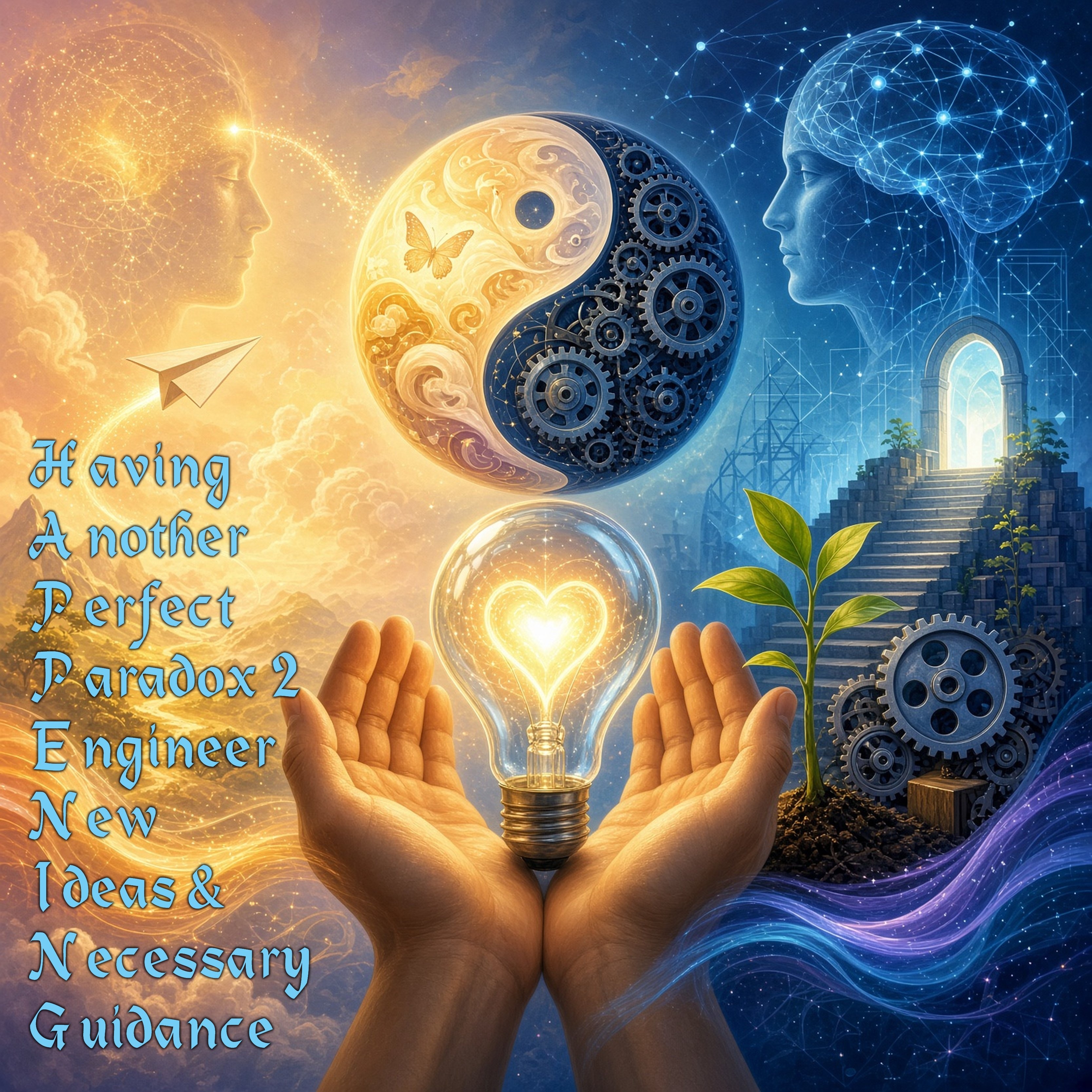
In my daily reflections, the contrast between life's constant unfolding and my old urge to control every detail stands out as a quiet revelation. I notice events happening all around without my intervention, and choosing to observe them calmly prevents me from absorbing unnecessary tension or drama into my own state of mind. This simple shift brings unexpected ease, as I watch situations evolve naturally rather than forcing outcomes that often resist my plans anyway. Releasing that grip allows space for clarity to emerge on its own, showing me that presence matters more than direction. Over weeks and months this practice has softened my responses to challenges, turning potential conflicts into moments of gentle awareness instead.
Having another perfect paradox appear in routine matters reminds me how attempts at mastery frequently create the very chaos I seek to avoid. When I step back and merely witness what is taking place, solutions surface without effort, proving that observation holds more power than intervention. Personal memories of past struggles illustrate this clearly: times I gripped tightly ended in exhaustion, while periods of detached watching led to smoother resolutions. The balance feels delicate yet reliable, guiding me toward acceptance rather than resistance in everyday encounters with people and circumstances.
A perfect paradox surfaces again when I realize that true influence arises precisely from surrendering control. Observing without absorption keeps my energy intact and my thoughts unclouded, letting natural rhythms guide interactions at work or home. I find myself responding with greater patience because I no longer carry the weight of every unfolding detail. This approach reveals layers of simplicity hidden beneath complexity, encouraging a steady inner calm that control never provided. Each day offers fresh examples where non-absorption preserves my peace amid external movement.
Paradox two emerges as I notice that engineering new ideas flows best when I stop directing and start witnessing the present moment fully. Fresh perspectives arrive unbidden during quiet observation, free from the filter of personal absorption or worry. In conversations or solitary walks, ideas for handling relationships or projects arise organically once I cease trying to shape them. This process feels both surprising and reliable, turning ordinary happenings into sources of quiet innovation without deliberate striving.
Engineer new ideas by remaining attentive yet unattached, allowing the flow of events to suggest paths I might never have conceived through force. Necessary guidance appears in these same moments of pure seeing, where lessons reveal themselves without my having to extract them emotionally. I carry less baggage from each encounter because absorption no longer occurs, leaving room for practical insights to settle naturally. Over time this method has become a trusted companion in navigating uncertainty with steady composure.
New ideas and necessary guidance both arise when I treat happenings as passing scenery rather than personal demands. The practice of calm observation dissolves old patterns of reaction, replacing them with spacious awareness that welcomes whatever arrives. In this state I feel connected to life without being swept along by it, preserving vitality for what truly requires my attention. Daily application reinforces the value of this stance, showing consistent benefits in reduced stress and clearer decision making.
Ideas and necessary guidance continue to unfold as I maintain this observer role across varied situations, from minor inconveniences to larger transitions. Not absorbing the momentum of events keeps my perspective balanced and my responses measured. The ongoing happening of existence thus becomes a teacher rather than a burden, offering endless opportunities for peaceful presence. This way of being sustains itself through gentle repetition, deepening the sense of ease that first drew me to it.
BACK  HOME