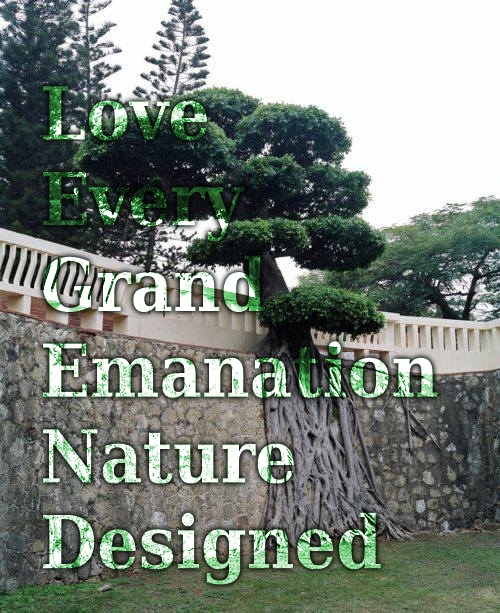
Love, in its purest form, is not something that can be measured by grand gestures or elaborate words. It is the quiet, persistent growth of something that has been planted long before we even realize its presence. Like the young willow that once grew atop the church wall, love has a way of taking root in the most unexpected places. It does not demand attention, nor does it seek validation. Instead, it simply exists, quietly shaping the world around it, even when no one is watching.
Every moment, every breath, every small act of kindness is a testament to the enduring power of love. It is not always loud or dramatic; sometimes, it is the gentle sway of a tree in the wind, or the soft rustle of leaves in the morning light. I often think of the willow and how, despite the city council’s decision to remove it, its presence still lingers. In some way, it is a reminder that love does not die so easily. Even when something is taken away, the memory of it remains, waiting for the right moment to return.
Grandeur, in the context of love, is not about size or spectacle. It is about the quiet strength that comes from being rooted in something greater than oneself. The willow, though small in stature, was a symbol of resilience. It endured the elements, the passage of time, and even the intrusion of human intervention. In its presence, I found a kind of peace—a sense that even the smallest things can have a lasting impact. This is the kind of grandeur that love embodies: not in the scale of its actions, but in the depth of its meaning.
Emanation is the way in which love flows through the world, unseen yet deeply felt. It is the way the willow’s roots, even if only a fragment remains, could one day rise again, like a phoenix from its ashes. Love has this power to transcend boundaries, to reach places we might never expect. It is not bound by walls or limitations; it spreads through the soil, through the air, through the hearts of those who are willing to receive it. In this way, love becomes a kind of natural force, shaping the world in ways we may not always understand.
Nature, in all its forms, is a reminder of the beauty and fragility of life. The willow, though removed, still has a place in the story of my hometown. It is a symbol of the delicate balance between growth and decay, between presence and absence. Nature teaches us that even when something seems lost, it may still be part of a larger cycle. The roots of the willow, though buried, may still hold the memory of its existence, waiting for the right conditions to allow it to emerge once more. This is the lesson of nature: that nothing is ever truly gone, only transformed.
Designed, in the sense of love and nature, is not something that is created by force or will. It is a process, a natural unfolding of things that have been set in motion long before we are even aware of them. The willow did not choose to grow on the church wall; it was simply placed there by the wind, by the seed, by the natural order of things. In this way, love is not something we create, but something we allow to take root. It is a part of the design of life itself, a pattern that has existed for as long as there have been living things to witness it.
BACK  HOME