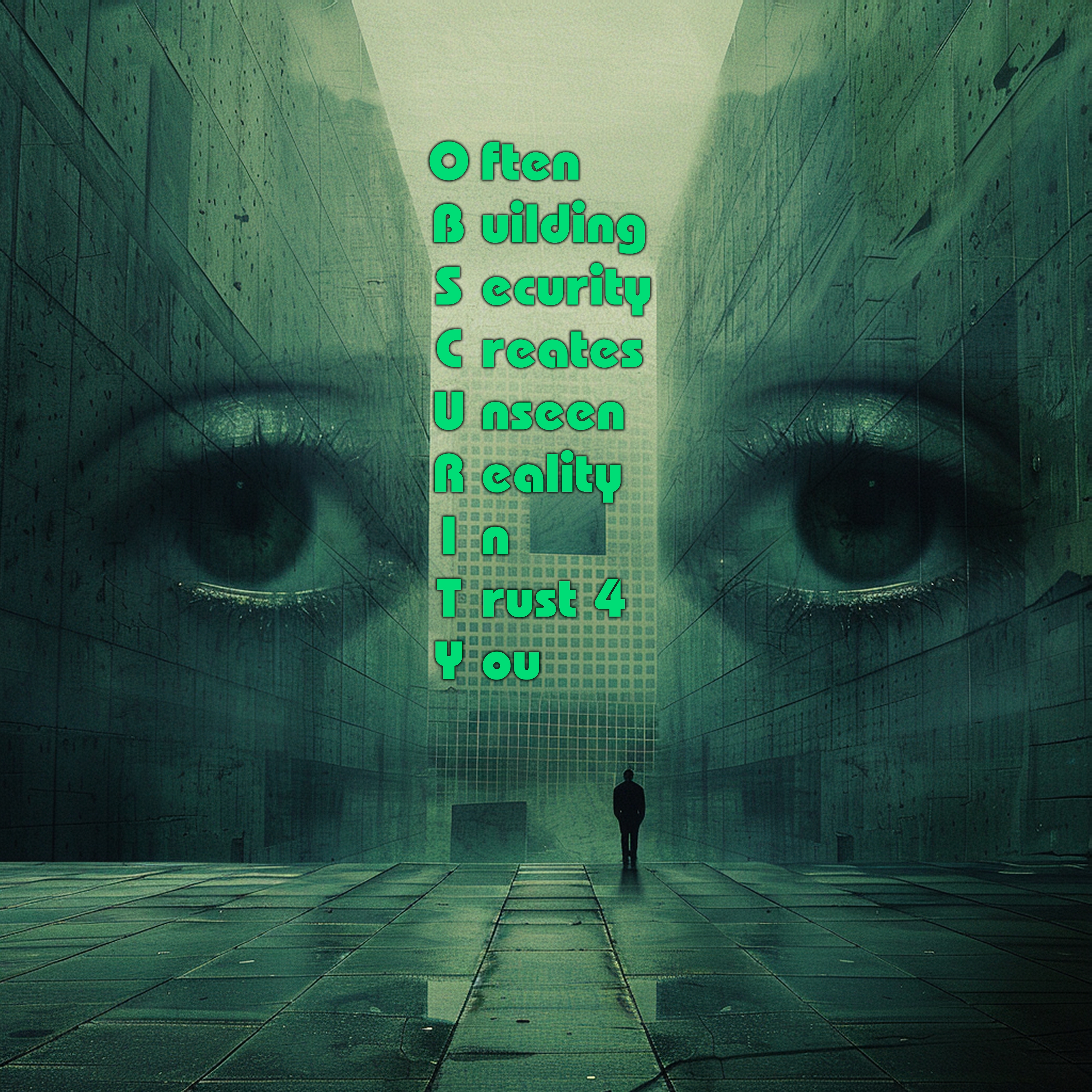
Often, I have found that the most effective way to protect something is not by making it overly visible, but by making it difficult to find. This is the essence of obscurity as a security measure. While many people believe that obscurity alone is not enough, I have come to realize that it can be a powerful tool when used in conjunction with other methods. The idea is that if something is not easily accessible, it is less likely to be targeted. In a world where hackers are constantly looking for vulnerabilities, obscurity can serve as an additional layer of defense.
Building a secure environment is not just about implementing the latest technologies or following the most up-to-date protocols. It is also about understanding the human element. People are often the weakest link in any security system, and this is where obscurity can play a crucial role. By keeping certain systems or data hidden, we reduce the chances of them being discovered and exploited. However, this approach is not foolproof. There will always be those who are determined to uncover what they cannot see, and this is where the challenge lies.
Security in the digital age is a complex and ever-evolving field. With the rise of artificial intelligence, the landscape is changing rapidly. AI is not only a tool for hackers but also a means of defense. It can help identify vulnerabilities, detect threats, and even predict potential attacks. This dual nature of AI means that the battle for security is becoming more sophisticated. As AI continues to evolve, so too must our strategies for protecting ourselves. The key is to stay ahead of potential threats by using the latest advancements in technology.
Unseen threats are often the most dangerous because they can go undetected for a long time. This is why I believe that obscurity can be a valuable asset in our security arsenal. By keeping certain systems or data hidden, we can prevent them from being exploited. However, this approach requires careful planning and execution. It is not enough to simply hide something; we must also ensure that it remains accessible when needed. This balance between security and usability is one of the greatest challenges in modern cybersecurity.
Reality in the digital world is often more complex than it appears. The more we rely on technology, the more we must consider the implications of our actions. Security is not just about protecting data; it is also about protecting the integrity of our systems. This means that we must constantly evaluate our methods and adapt to new threats. The use of obscurity as a security measure is one such adaptation. It allows us to create a layer of protection that is both effective and necessary in today's environment.
In trust, especially in the digital realm, we must be cautious. Trust is built on transparency, but it is also maintained through security. The challenge is to find a balance between these two elements. Obscurity can help protect our systems, but it must not come at the cost of losing trust. This is why I believe that the future of security lies in a combination of transparency and obscurity. By making certain aspects of our systems invisible, we can protect them while still maintaining the trust of our users. This is a delicate balance, but one that is essential for the continued success of our digital world.
You, as a user, are an important part of this equation. Your trust in the systems you use is what makes them valuable. However, this trust must be earned through security and transparency. The use of obscurity as a security measure is one way to protect your data and systems. But it is also important to remember that obscurity alone is not enough. It must be combined with other security measures to create a comprehensive defense. As we move forward in an increasingly digital world, the importance of security will only grow. And with it, the need for a balanced approach that includes both transparency and obscurity.
BACK  HOME